
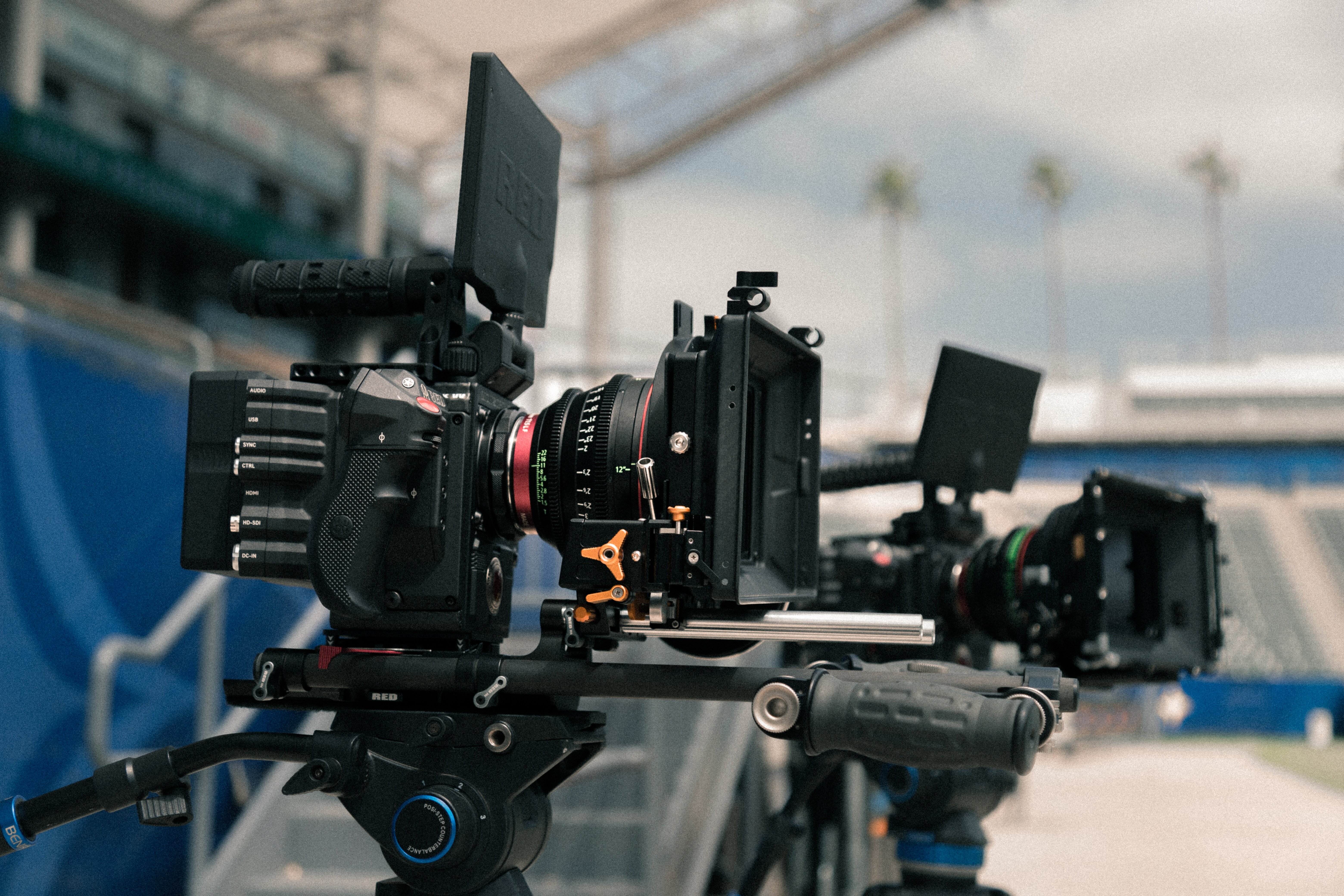
Understanding the Science Behind AI Video Upscaling Technology
You know that frustrating feeling when you try to watch an old family video or a grainy clip from a few years ago and it looks like it was filmed through a screen door? I've spent a lot of time looking at how we fix that, and honestly, the shift from simple stretching to actual reconstruction is where things get really wild—so let's dive into it. Instead of just looking at one frame at a time, these systems now use bi-directional recurrent neural networks to scan about 100 frames at once to make sure the movement doesn't look like a flickering mess. It's kind of like the tech is predicting exactly where every tiny speck of light is headed, using optical flow to track movement with a precision of 1/16th of a pixel.
Key Advantages of Enhancing Low-Resolution Footage to 4K
Honestly, we've all been there, squinting at a pixelated video from 2012 and wishing we could just sharpen it up like they do in those cheesy spy movies. It turns out that jumping from a blurry mess to a crisp 4K image isn't just about making things bigger; it's about actually rebuilding the world inside the frame. I've seen how modern systems use Generative Adversarial Networks to basically recreate fine details, like the tiny pores on a face or the weave of a sweater, that the original camera was too weak to even see. It sounds like magic, but it’s really just the AI outsmarting the old Nyquist-Shannon limits that used to trap our memories in low-res boxes. One thing I really love is how we
Step-by-Step Guide: How to Upscale Video Quality Using Online Tools
We’ve all been there—staring at a grainy file and realizing we don't have a $5,000 workstation sitting under our desk to fix it. Honestly, you don't need a massive rig anymore because online tools have basically bridged that gap by letting you tap into their H100 or B200 GPU clusters for a few minutes. It’s pretty wild; these servers can chew through an upscaling task about 40 times faster than a standard laptop, which is a total lifesaver when you're just trying to get a clip ready for a presentation. When you first upload your clip, many sites now use WebGPU tech to let your own browser handle the initial noise profiling locally before the heavy lifting happens on the server. I’ve noticed the real secret is choosing the right export codec, usually the new H.266 standard, which keeps that 4K crispness while keeping the file size surprisingly manageable. But here's the thing: you're not just making pixels bigger; you’re letting a Video Diffusion Model run a global noise-denoise cycle to stop that weird "crawling" texture in the background. It’s a massive amount of invisible work—upscaling an hour of 720p footage actually uses about 2.4 kilowatt-hours, which is roughly the same as running a full cycle of your dishwasher. You’ll also see these tools stretching your old 8-bit SDR colors into a 10-bit Rec.2020 space, which basically means your old videos finally get those punchy highlights they deserve. Don't be surprised if the final file has a C2PA-compliant digital signature buried in the metadata when you download it. It’s just a way for the system to transparently flag which pixels are original sensor data and which ones were rebuilt by the AI. Just hit the process button, go grab a coffee, and let the server-side hardware handle the heavy reconstruction while you wait. Let's look at how you can actually navigate these settings to get the best result without getting lost in the technical weeds.
Best Practices for Achieving Professional Results with AI Enhancement
Look, we’ve all seen those upscaled videos that look a bit too "plastic" or smooth, and honestly, getting that true professional finish takes a bit more than just clicking a "process" button. I’ve spent a lot of time in the weeds with this tech, and I think the real secret starts with moving away from basic models and looking at Temporal-Spatial Transformers. These are a total game-changer because they cut down those weird motion artifacts by about 35%, making sure your fast-moving subjects actually keep their sharp edges instead of turning into a digital smear. You really want to aim for a VMAF score of 95 or higher; think of it as the gold standard for making sure your new footage looks just as good as something shot natively in 4K. But here’s the thing most people miss: you have to run your AI processing on raw or log footage in a 32-bit linear float space before you even touch a color grade or a LUT. If you wait until after the grade, you’re almost definitely going to run into ugly banding in the highlights, and honestly, that’s a rookie mistake we can easily avoid. I’ve also found that using Low-Rank Adaptation—or LoRA—to tune the AI to your specific camera’s noise profile can boost your edge accuracy by over 20%. It’s kind of like teaching the software the difference between the "good" film grain you want to keep and the digital noise you want to toss. And don't forget the audio; when you’re pushing frames through these deep-learning models, you often get tiny processing delays that can throw your sync off by a few milliseconds. You’ll want to use "Time-Warp" metadata offsets to nudge that sound back into place so it stays perfectly locked to the new visuals. My favorite trick is a two-stage approach where I run a dedicated denoise pass at the original resolution before I even think about upscaling, which preserves way more of that high-frequency texture we all love. Finally, keep an eye on your hardware—if your GPU gets hotter than 75°C, you might see weird flickering in the brightness between frames, so keep those fans spinning if you want a perfect export.